
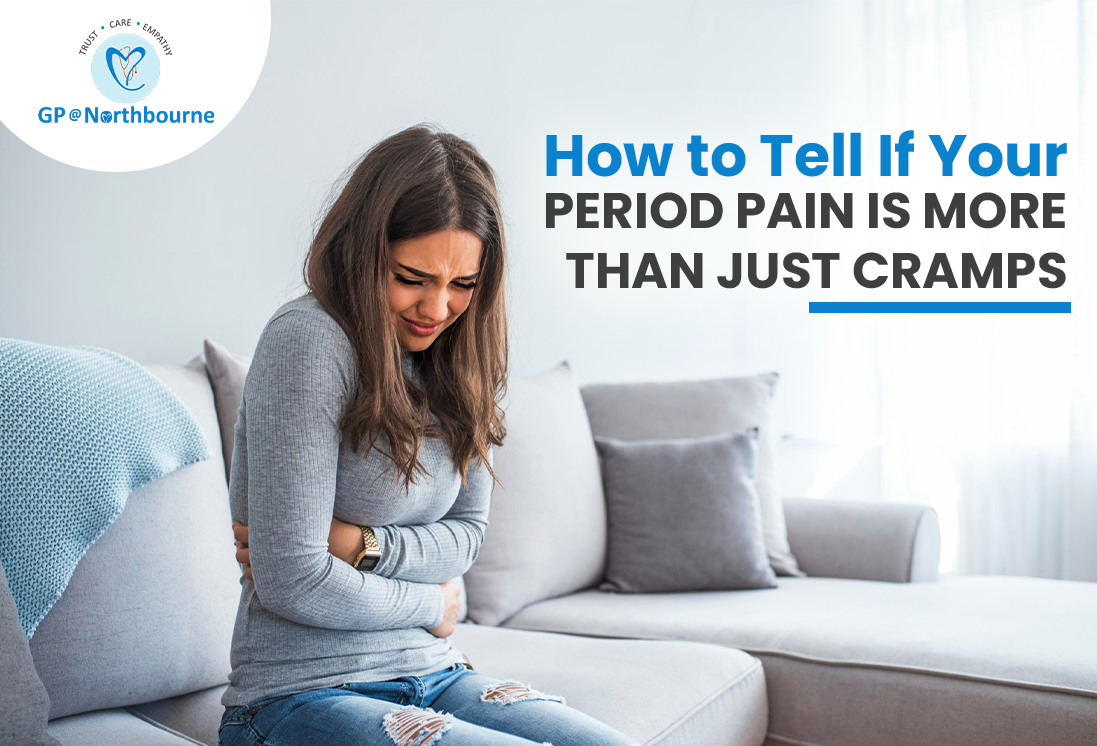
Learn when period pain may be more than normal cramps, possible causes like endometriosis, and when it may be time to speak with your GP.
You’re often told that you’re not the only one bearing period pain. That it’s normal, something every woman goes through. That it doesn’t affect life or stop you from doing your daily activities. But what if it does? What if the pain isn’t normal or bearable? Many women avoid planning work or social events around their periods because they experience extreme period pain, so overwhelming that carrying on with regular activities seems impossible. That is not normal. While some discomfort during menstruation is common, period pain that regularly affects your daily life may be a sign that something else is going on. It’s important to understand the difference between typical period cramps and pain that needs attention.
So, it’s quite common to experience some level of cramping during your periods. During menstruation, period cramps and pain occur because your uterus contracts to help shed its lining. So some pain is expected. Typical period pain often feels like mild to moderate cramping in the lower abdomen. You might also feel some discomfort in the lower back or thighs. Many women experience the strongest symptoms during the first day or two of their period. For menstrual cramp relief, simple measures like resting, heat packs, over-the-counter painkillers, and gentle movement can help. Most importantly, normal menstrual cramps usually don’t stop you from continuing your everyday routine.
So, how much pain is too much? It can be difficult to know whether your period pain is common discomfort or something more. Should you wait to reach the Shakespearean level of existential crisis, asking to be or not to be? Well, no. However, you should be asking yourself whether your period cramps make you miss work or school regularly, avoid social plans, struggle to exercise or find it difficult to complete daily activities because of pain. Do you struggle to concentrate at work, need stronger pain medication every month, and is the pain becoming more severe every time? If the answers are affirmative, it’s certainly time you visited your doctor or a local GP. Many people delay getting help because they believe painful periods are something they should tolerate. However, pain that consistently affects your quality of life deserves medical attention.
Severe period pain can have several causes, and one possible reason is endometriosis. Endometriosis is when the tissue similar to the uterus’s lining starts growing outside the uterus, leading to inflammation, irritation, and pain. Sometimes the symptoms of endometriosis begin as painful periods that gradually become more disruptive. And since period pain is often normalised, many women delay their diagnosis, thinking there’s nothing wrong or out of the ordinary. However, beyond extreme period pain, there are many other early endometriosis symptoms you shouldn’t ignore. If you notice heavy periods, pelvic pain outside your menstrual cycle, pain during sex, or fertility concerns, don’t delay talking to your GP.
However, you should also remember that endometriosis isn’t the only cause of painful periods. Other conditions, such as fibroids, adenomyosis or ovarian cysts, may also contribute to pelvic pain and menstrual symptoms.
If your period pain is affecting your everyday activities, becoming more intense, changing over time or causing you concern, don’t hesitate to get help. Instead of silently wondering why my periods are so painful, consider talking to your family doctor or a local GP. Your doctor can discuss your concerns, assess your symptoms and guide you towards appropriate next steps.
Period pain may be common, but if it’s severe or ongoing, it could signal other issues. If your period cramps are regularly affecting your work, relationships or quality of life, discuss it with a local GP. At GP Northbourne, our team is always ready to provide supportive and confidential care for your health concerns. If you’re worried about painful periods or changes in your menstrual health, book an appointment to discuss your symptoms or get treatment for period pain today.
Mild cramping during your period is common, but severe pain that regularly stops you from working, studying, exercising or completing everyday activities should not be ignored. If period pain is affecting your quality of life, it may be worth speaking with your GP.
Your period pain may need further assessment if it is becoming worse over time, lasts longer than usual, does not improve with your regular pain management methods or regularly interferes with your daily routine.
Yes, severe period pain can be one of the symptoms associated with endometriosis. However, not everyone with painful periods has endometriosis. Other symptoms, such as pelvic pain between periods, heavy bleeding or pain during sex, may also occur.
Painful periods can have several causes, including conditions such as fibroids, adenomyosis and ovarian cysts. A GP can help assess your symptoms and recommend appropriate next steps based on your individual situation.
You should visit a GP if your period pain affects your daily activities, becomes more intense, changes suddenly or causes ongoing concern.
At GP Northbourne, we want your visit to be stress-free. Finding the right parking spot can sometimes be confusing, so we’ve prepared this simple guide to help you park with ease.