

Understand how weight influences type 2 diabetes risk, prediabetes symptoms to recognise, and how early lifestyle changes may support better long-term health.
Is your weight gain become a cause of concern recently? Excess weight can make you conscious about your appearance, fitness levels, and confidence. But beyond these changes, ongoing weight change can also signal your body’s need for extra attention and care. Weight changes happen gradually, so you may not always notice the impact they have on your health straightaway. It’s also why most people easily overlook the hidden signs of obesity and early symptoms. One important connection that is often overlooked is the link between weight and blood sugar control. Carrying excess weight can influence how your body uses insulin and may increase your risk of type 2 diabetes over time. This is why understanding obesity and diabetes risk is an important part of protecting your long-term health.
So, are obesity and diabetes really connected? Simply put, excess weight gain is indeed one of the possible risk factors for type 2 diabetes. Diabetes occurs when the body cannot use insulin effectively or produce enough insulin to maintain healthy blood sugar levels. Insulin is an important hormone that helps the body utilise glucose effectively to produce energy. So, when you have excess body fat, especially visceral fat (fat stored around the abdomen and other vital organs), it forces your cells to become resistant to insulin. Such insulin resistance makes the pancreas produce more insulin to maintain blood sugar levels. Over time, this can lead to a spike in blood sugar, increasing your type 2 diabetes risk.
While excess weight does not mean you’ll definitely develop diabetes, it is still one of the significant diabetes risk factors. Such ongoing weight changes that affect energy levels and metabolism can sometimes indicate that early symptoms of obesity are becoming a medical concern. So, if you notice prediabetes symptoms or weight gain affecting your energy, focus, and overall well-being, it’s best to get professional advice from a local GP or doctor.
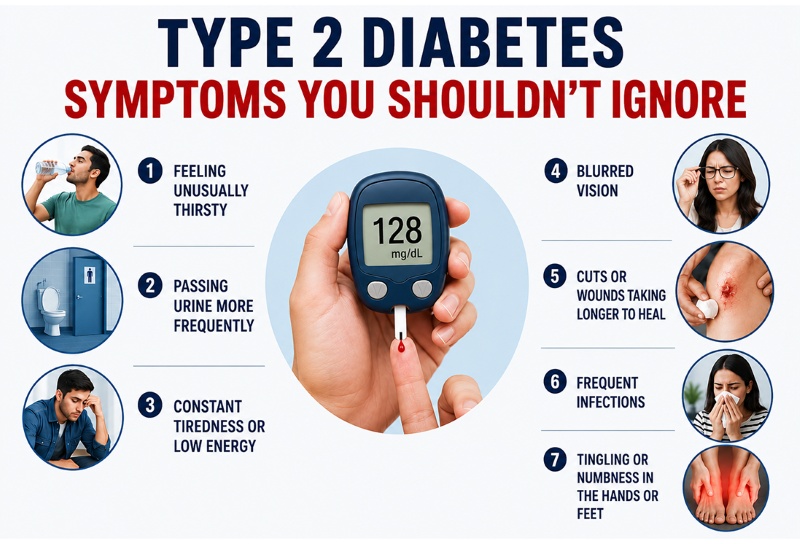
Type 2 diabetes is a chronic condition that develops slowly and silently. So, its symptoms aren’t always obvious in the beginning. You might live with increased blood sugar levels for a long time without even realising there’s something wrong in your body. That’s why it’s important to understand and recognise the early signs of diabetes. Common type 2 diabetes symptoms can include:
Sometimes people also experience prediabetes symptoms before they develop type 2 diabetes. Prediabetes is a condition where your blood sugar levels are higher than normal but not high enough to be considered within the diabetes range. You can monitor these levels with regular health checks, especially if you also have other symptoms like obesity, family history, high blood pressure, or an inactive lifestyle.
Prevention is always better than cure. And you can certainly try to prevent diabetes through lifestyle changes and regular health management from early on. You can control your blood sugar levels by maintaining a healthy weight, staying physically active, eating balanced meals, improving your sleep habits, and getting regular health checks. And if you’re overweight, losing weight to prevent diabetes can help improve your body’s insulin response and reduce future health risks.
When you discuss your weight concerns with your GP early on, they can also help you understand your individual risk through health assessments and simple tests, such as blood glucose monitoring. Early detection of prediabetes symptoms like excess weight gives you the chance to take timely action before diabetes begins affecting your overall health.
Your weight is only one part of your overall health, but excess weight can directly affect your internal processes, energy levels, and well-being. As one of the type 2 diabetes symptoms, excess weight gain can also indicate the onset of diabetes when seen alongside other prediabetes symptoms. Understanding how it connects with chronic conditions like type 2 diabetes can help you make informed decisions.
If you are concerned about your weight, type 2 diabetes risk, or changes in your health, visit us at GP Northbourne Clinic. Our team is always ready to give you personalised guidance, screening, and ongoing support to help you manage chronic conditions like diabetes and support your overall health.
Obesity can increase the risk of developing type 2 diabetes because excess body fat may contribute to insulin resistance, making it harder for the body to maintain healthy blood sugar levels.
Common type 2 diabetes symptoms include increased thirst, frequent urination, tiredness, blurred vision, slow-healing wounds, frequent infections, and tingling or numbness in the hands or feet.
Prediabetes symptoms are often mild or may not appear at all. Some people may notice symptoms similar to diabetes, including tiredness, increased thirst, or changes in urination patterns.
Losing weight to prevent diabetes may help some people lower their risk by improving insulin sensitivity. A healthy lifestyle, balanced diet, regular activity, and routine GP checks can support diabetes prevention.


At GP Northbourne, we want your visit to be stress-free. Finding the right parking spot can sometimes be confusing, so we’ve prepared this simple guide to help you park with ease.