
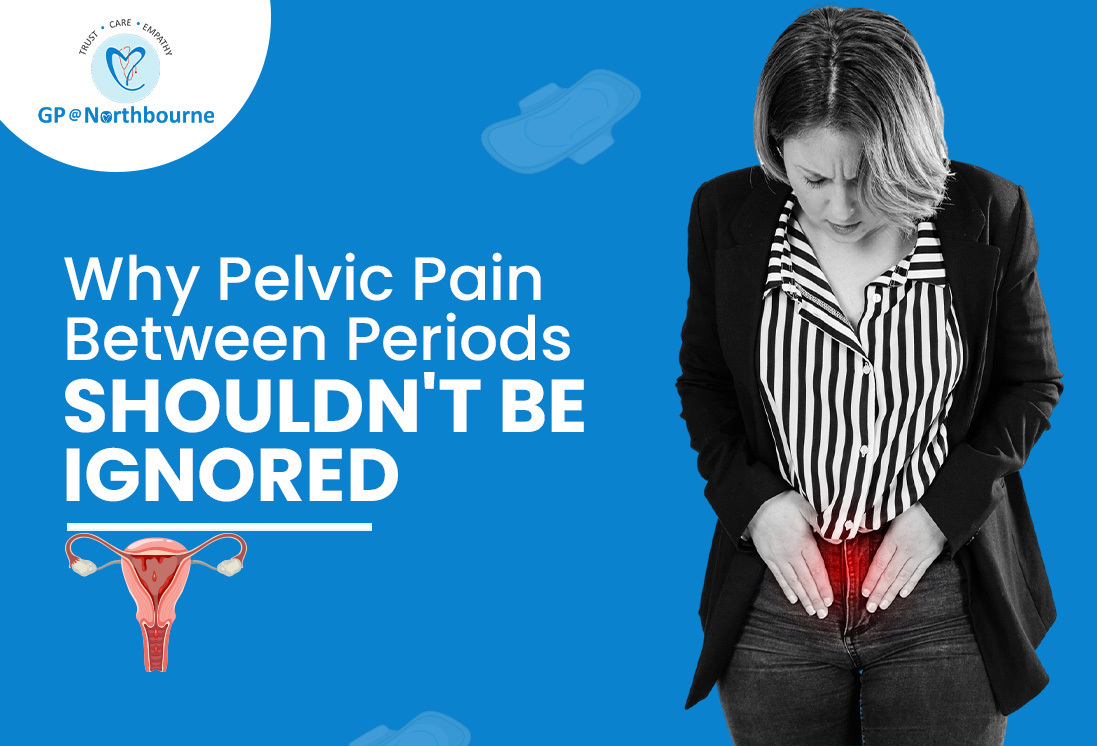
Learn about pelvic pain between periods, symptoms to watch for, possible pelvic pain causes, the connection with endometriosis, and when to speak with your GP.
Period pain and pelvic discomfort are common during periods. But what if your period ends but the pain and discomfort continue? You may think it is due to stress, exercise, digestion, or just something temporary that will go away on its own. While occasional menstrual discomfort and pelvic pain in women is common, if it continues beyond periods every month, it’s a sign that something isn’t right. And the best course of action in such a situation is getting genuine and professional advice from an expert in women’s health services or your local GP. So, if you’re noticing intermenstrual pelvic pain that keeps returning or disrupts your daily routine, don’t dismiss it as normal. Understanding your symptoms and knowing when to talk to a doctor can help you get a timely diagnosis and treatment.
So, what exactly is pelvic pain between periods? It is when you feel pain or discomfort in the lower abdomen or pelvic area outside of your usual menstrual cramps. However, pelvic pain in women may vary from person to person. Some women may have just a dull ache or pressure, while others may feel sharper pain that comes and goes throughout their cycle. You might notice it appearing during certain activities, or it might be some lower back and pelvic pain female patients describe without an obvious trigger. There can be many different pelvic pain causes, so don’t assume what is causing it without proper medical guidance.
Pelvic pain can be easy to ignore, especially when it is not constant. You may think there’s nothing serious about this discomfort that comes and goes. However, if you’re experiencing pelvic pain that keeps recurring, so much that it starts interfering with your normal activities, it deserves medical attention.
Pelvic pain in women may include discomfort and pain that affects concentration or discomfort when exercising. You may start avoiding certain activities because you are worried about triggering pain, or feeling anxious because you do not know why it keeps happening.
While identifying symptoms is important, you must also notice when they change. Common changes in pelvic pain symptoms that female patients usually experience include ongoing discomfort, pain that becomes more frequent, pain that lasts longer than usual, or symptoms that feel different from what they have experienced before. If you also notice such changes, speaking with your GP can help you better understand what is happening in your body. Visiting a GP doesn’t necessarily mean something bad. It simply means taking your symptoms seriously and getting the right support at the right time.
Simply knowing your symptoms isn’t enough. Having some understanding of the pelvic pain causes can help you get the right treatment. Endometriosis is one possible cause of ongoing pelvic pain. Many people think painful periods are always associated with endometriosis. However, endometriosis symptoms aren’t always limited to menstruation. You might even experience symptoms like pelvic pain after your cycle is over.
Endometriosis occurs when tissue similar to the uterus lining grows outside the uterus, causing inflammation, irritation and discomfort. Pelvic pain outside of periods is usually a common symptom of endometriosis. However, there can be other symptoms, and they may differ from woman to woman, making it tough to recognise the condition sometimes. So, if you’re also noticing severe period pain, heavy bleeding, pain during sex or fertility issues, besides pelvic pain beyond periods, they might be early endometriosis symptoms you shouldn’t ignore. Instead of brushing off the issue, speak with your doctor or a local GP and seek help.
However, you should also remember that pelvic pain causes can be varied and endometriosis is not the only one. Other health concerns like ovarian cysts, fibroids, pelvic inflammatory disease, etc. can also cause similar symptoms. A GP can tell you what’s wrong, why it’s happening, and what to do next.
Pelvic pain between periods can feel frustrating, especially when there is no clear reason behind it. While there are many possible causes for pelvic pain in women, ongoing discomfort is not something you need to ignore or simply live with.
At GP Northbourne, our team is always ready to listen to your concerns and help you better understand your symptoms. If you are experiencing persistent pelvic pain or changes in your menstrual health, book a consultation with our experts in women’s health services today.
Occasional discomfort can happen, but ongoing or recurring pelvic pain between periods should not be ignored. If the pain affects your daily activities, becomes worse or causes concern, it is worth discussing your symptoms with a GP.
Pelvic pain in women can have many possible causes, including endometriosis, ovarian cysts, fibroids, pelvic inflammatory disease and other health concerns. A healthcare professional can help assess your symptoms and identify possible causes.
Yes, endometriosis may cause pelvic pain at different times throughout the menstrual cycle, not only during your period. Some people may also experience other symptoms, including painful periods, heavy bleeding or pain during sex.
You should consider seeking medical advice if pelvic pain keeps returning, becomes more intense, interferes with everyday activities or occurs with other symptoms such as unusual bleeding or changes in your menstrual cycle.
Yes, some women may experience lower back and pelvic pain together. The cause can vary, so persistent or unexplained pain should be assessed by a GP to understand what may be contributing to your symptoms.


At GP Northbourne, we want your visit to be stress-free. Finding the right parking spot can sometimes be confusing, so we’ve prepared this simple guide to help you park with ease.