What This Article Covers
This article explores how haemochromatosis causes excess iron buildup in the body, the symptoms often overlooked, how diagnosis works, and why early detection can help prevent long-term health complications.
When Too Much Iron Becomes a Problem
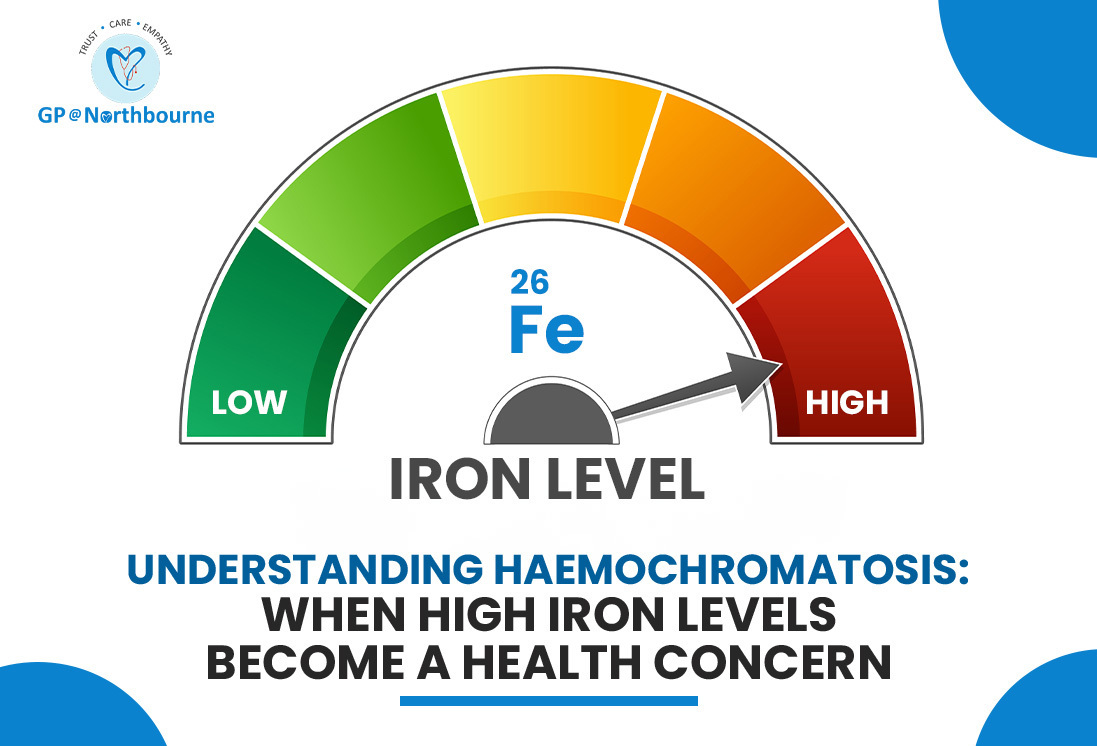
You must’ve heard about low iron levels and iron deficiency being serious health concerns. But did you know that too much iron can also become a serious health issue for your body? When our body starts absorbing and storing excess iron over time, this condition is called Haemochromatosis. Normally, the body would remove the excess iron. But in haemochromatosis, our body gradually stores it in organs such as the liver, pancreas, joints, and the heart. And it develops so quietly that you might not notice the symptoms at first, or dismiss them as age or stress-related. This Haemochromatosis Awareness Week, let’s understand how awareness can help recognise the early signs of iron overload and prevent long-term complications.
Why High Iron Levels Are Often Overlooked
Gradual increases in the iron levels of the body often go unnoticed at first. The reason is that high iron doesn’t cause any dramatic or sudden symptoms in the body. Instead, you’ll feel small and vague changes in your health, such as fatigue, which can result from many conditions, including stress, ageing, work pressure, etc. Some common symptoms of haemochromatosis are:
- Feeling low on energy or fatigued persistently.
- Having pain in the joints, especially in the hands or hips.
- Abdominal discomfort.
- Brain fog or finding it difficult to concentrate on work or anything else.
- Low mood or feeling irritated more often.
- Reduced libido.
- Unexplained skin darkening or bronzing.
When seen separately, these symptoms may not seem alarming. You might feel that something’s off but can’t explain what it is. Some people spend years living with unexplained fatigue before discovering the cause to be high iron levels. So, if you notice signs of iron overload and they keep recurring or continuing for months or worsen slowly, that’s when you should take action.
How Haemochromatosis Is Diagnosed
But how do you know if you have symptoms of haemochromatosis or something else? Don’t worry. Usually, haemochromatosis can be identified through relatively simple blood tests arranged by your GP.
Haemochromatosis is also inherited genetically, so checking family history is also important. And if you have haemochromatosis, your close relatives may also be at risk.
If left untreated, iron overload can eventually damage the internal organs. That’s why recognising its symptoms and diagnosing it early is important. It can prevent the condition from escalating further.
At GP Northbourne, we help patients investigate ongoing symptoms, arrange appropriate testing, and provide ongoing support where needed.
Listening to Persistent Symptoms Matters
This Haemochromatosis Awareness Week, remember that awareness is the first step to prevention. If you’re experiencing persistent fatigue, unexplained joint pain, ongoing brain fog, or other symptoms of haemochromatosis, don’t dismiss it as ‘just stress’. These small symptoms are your body’s way of asking for attention. So, if something does not feel right, talk to your local GP or see one of our doctors at GP Northbourne as soon as possible. It is the first step towards finding answers and protecting your long-term health.